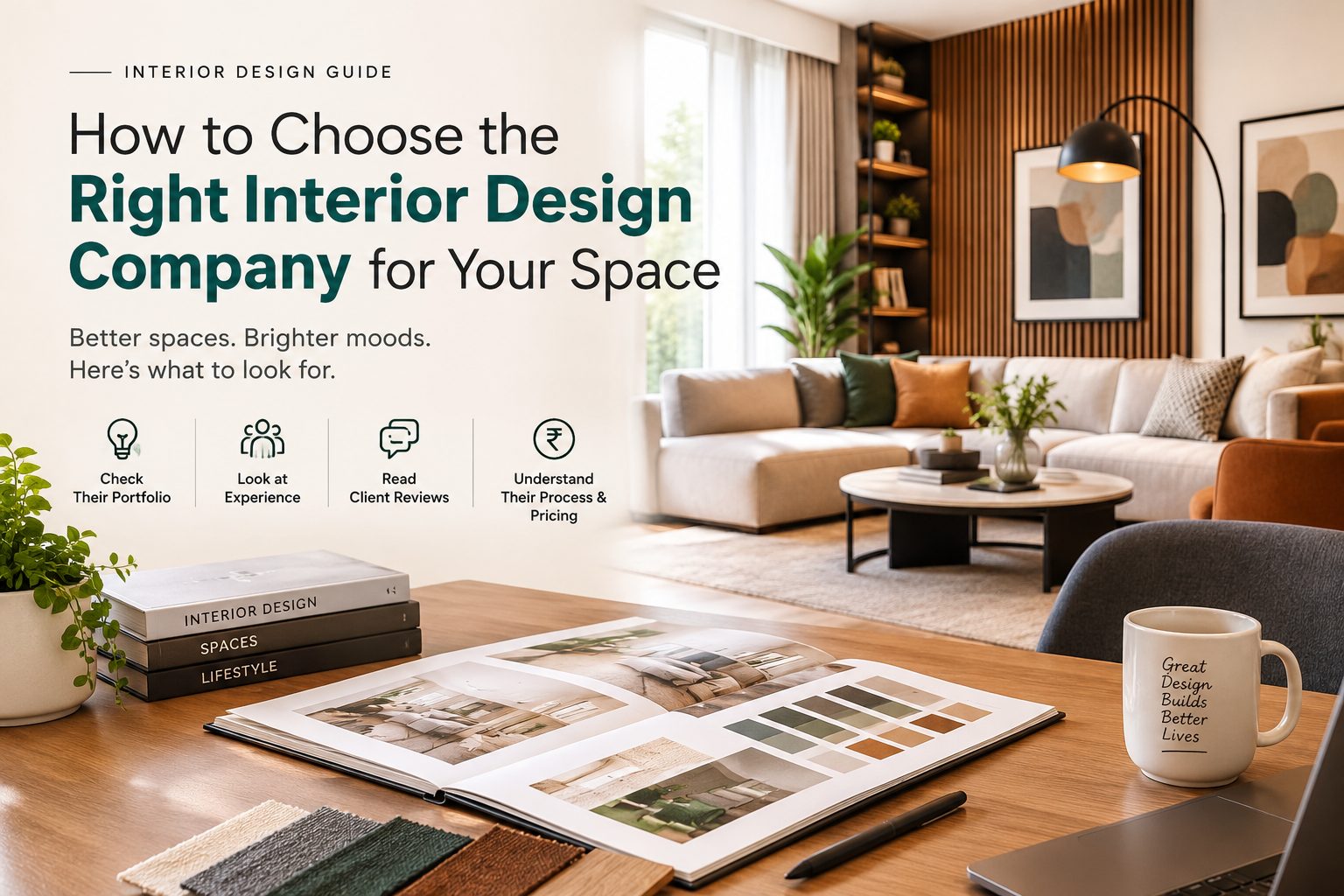
How to Choose the Right Interior Design Company for Your Space
Transform your space into a beautiful, comfortable and functional environment with thoughtful interior design solutions from Sun India.
A well-designed space can make everyday life more comfortable, productive and enjoyable. Whether you are planning a new home, renovating an existing property or setting up a professional workspace, the right interior design can make a significant difference.
Today, interior design is not only about choosing attractive colours, furniture or decorative items. It also involves space planning, lighting, storage, material selection and creating an environment that suits your lifestyle or business needs.
Choosing a reliable interior design company helps you bring your ideas to life while maintaining a balance between appearance, functionality and budget. Sun India understands the importance of creating spaces that reflect individual preferences and practical requirements.
In this guide, we will explore the key elements of interior design, the benefits of professional planning and how to select the right interior design solutions for your home or office.
What Is Interior Design?
Interior design is the process of planning and improving indoor spaces to make them attractive, comfortable, organised and functional. It includes everything from furniture placement and lighting to wall finishes, storage solutions and decorative elements.
Good interior design considers how people use a space every day. For example, a family home may require comfortable seating, organised storage and child-friendly materials. An office may need ergonomic furniture, well-planned lighting and designated areas for meetings and teamwork.
A carefully designed space combines visual appeal with practical use. The goal is to create an environment that looks good and supports the activities taking place inside it.
Why Choose a Professional Interior Design Company?
Working with a professional interior design company can make the planning and execution process more organised. Instead of making decisions separately, you can develop a complete design plan that considers your requirements, available space and budget.
Here are some important benefits.
1. Better Space Utilisation
Every square foot matters, particularly in urban homes and commercial properties. Professional space planning helps make the best use of available areas.
Smart furniture placement, built-in storage, modular solutions and suitable layouts can make smaller rooms feel more spacious without compromising comfort.
2. A Consistent Design Theme
A coordinated design creates a natural connection between different rooms. Wall colours, furniture finishes, lighting and decorative elements can work together to establish a consistent appearance.
Whether you prefer a modern, minimalist, traditional or contemporary style, a clear design theme helps maintain visual harmony.
3. Improved Functionality
An attractive room is not necessarily a practical one. The placement of electrical points, storage cabinets, workstations and lighting can affect daily convenience.
Professional planning considers these details before implementation, helping reduce avoidable changes later.
4. Better Budget Planning
Interior projects can involve multiple expenses, including furniture, materials, lighting, installation and finishing. Planning these costs in advance helps you prioritise essential requirements.
A clear budget also makes it easier to decide where to invest in quality materials and where simpler alternatives may work well.
Home Interior Design: Creating a Space That Feels Personal
Your home should reflect your personality while meeting the everyday needs of your family. Effective home interior design combines comfort, aesthetics and functionality to create a welcoming environment.
Different areas of a home require different approaches.
Living Room Design
The living room is often the main gathering space for family members and guests. Comfortable seating, suitable lighting, coordinated colours and practical furniture can make the area more inviting.
Avoid overcrowding the room with unnecessary furniture. A well-planned layout allows people to move comfortably while keeping the space visually balanced.
Bedroom Design
A bedroom should support relaxation and privacy. Soft colours, comfortable furniture, appropriate lighting and convenient storage can improve its overall appeal.
Wardrobes, bedside tables and carefully positioned lighting help make the room both practical and comfortable.
Modular Kitchen Design
The kitchen requires careful attention to movement, storage and accessibility. Well-organised cabinets, suitable countertops and properly positioned appliances can make cooking easier.
Material selection is also important because kitchen surfaces should be easy to clean and suitable for regular use.
Bathroom and Storage Planning
Bathrooms benefit from efficient layouts, moisture-resistant materials and appropriate lighting. Similarly, well-planned storage throughout the home can help reduce clutter and keep frequently used items accessible.
A thoughtful home design considers these functional details alongside the overall visual theme.
Home and Office Interior Design: Different Needs, Different Solutions
Home and office interior design may share some principles, but their objectives are different.
Residential interiors focus on comfort, personal preferences, privacy and everyday living. Office interiors focus more on productivity, collaboration, organisation and the professional identity of a business.
For homes, the design may include comfortable living areas, personalised bedrooms, family-friendly furniture and practical storage.
For offices, it may involve workstations, meeting rooms, reception areas, collaborative spaces and organised storage facilities.
Lighting, ventilation, furniture selection and movement between different areas are important in both environments.
For businesses, a professionally planned office can also help create a positive impression among clients, employees and visitors. A clean reception area, organised workspace and consistent visual identity can support a professional atmosphere.
Before starting a project, identify the primary purpose of the space and the people who will use it. This simple step helps guide the design decisions.
How to Find an Interior Designer Near Me
Searching online for an interior designer near me is a convenient way to discover professionals who serve your area. However, selecting the right service provider requires more than checking search results.
Consider the following factors before making a decision.
- 1. Review the portfolio: Look at previous residential or commercial projects to understand the designer's style, experience and attention to detail.
- 2. Understand the scope of services: Confirm whether the provider offers space planning, material selection, furniture recommendations, execution support or complete project coordination.
- 3. Discuss your budget: Explain your expected investment and ask for a clear estimate covering materials, labour, installation and other applicable costs.
- 4. Check communication: Choose a professional who listens to your requirements, explains available options and communicates project timelines clearly.
- 5. Review materials and finishes: Ask about durability, maintenance, warranties where applicable and the suitability of materials for your intended use.
- 6. Clarify responsibilities: Understand who will manage contractors, supervise installation and address changes during the project.
Comparing these details can help you choose a suitable professional instead of making a decision based only on price.
Interior Designer vs Interior Decorator: What Is the Difference?
The terms interior designer and interior decorator are often used interchangeably, but their typical responsibilities can differ.
An interior designer generally works on space planning, layouts, functionality, lighting concepts, material selection and design coordination. Depending on the project and qualifications, designers may also coordinate with architects, engineers and contractors.
An interior decorator typically focuses on the visual appearance of an existing space. This may include selecting colours, curtains, furniture, rugs, artwork and decorative accessories.
For example, if you want to change the layout of a room and improve its storage, an interior designer may be the appropriate professional. If the room already functions well but needs a refreshed appearance, an interior decorator may be sufficient.
The exact services offered vary between providers, so always confirm the scope of work before hiring.
Current Interior Design Trends Worth Considering
Interior trends continue to evolve, but practical design choices often deliver greater long-term value than following every new trend.
Some popular ideas worth exploring include:
- Minimalist interiors: Simple layouts, clean lines and limited decorative elements.
- Natural materials: Wood finishes, stone textures and other materials that introduce warmth.
- Smart storage: Built-in cabinets, modular furniture and multi-purpose solutions.
- Layered lighting: A combination of ambient, task and accent lighting.
- Flexible workspaces: Adaptable furniture and organised layouts for changing work requirements.
- Sustainable choices: Durable materials, energy-efficient lighting and products selected for longer use.
Choose trends that match your lifestyle, maintenance preferences and budget. Timeless design elements can also help prevent the need for frequent renovations.
How Sun India Can Support Your Interior Branding Requirements
Sun India provides branding-related solutions involving signage, displays, merchandising and visual communication. These elements can play an important role in the appearance and identity of commercial interiors.
For example, offices, retail stores, showrooms and commercial spaces may benefit from professionally planned signage, branded displays, reception branding and point-of-purchase installations.
Such elements can help businesses communicate their identity and create a more consistent customer experience.
If you are planning a commercial interior project, consider how interior finishes, signage and brand displays will work together. Coordinating these elements early can support a more organised and visually consistent result.
Explore the available services at Sun India to learn more about its branding, signage and display solutions.
Conclusion
Choosing the right interior design approach can help transform an ordinary space into an environment that is attractive, comfortable and practical. Whether you are planning home interior design, upgrading an office or improving a commercial space, start with your requirements, budget and long-term needs.
A reliable interior design company should understand your priorities, explain the available options and help you make informed decisions. Compare portfolios, review materials and clarify project responsibilities before moving forward.
For commercial environments, combining thoughtful interior planning with suitable signage and display solutions can also strengthen brand visibility.
Sun India supports businesses with signage, merchandising, POP and display solutions that contribute to effective commercial environments. Visit Sun India to explore its services and discuss your branding requirements.
FAQs
1. What does an interior design company do?
An interior design company helps plan and improve indoor spaces according to the client's requirements, budget and preferences. Services may include space planning, furniture layouts, lighting concepts, material selection, colour coordination and project execution. The exact scope varies by provider, so clients should confirm the services, deliverables, estimated costs and project timeline before signing an agreement.
2. How do I choose the right interior designer near me?
Start by searching for local interior designers and reviewing their portfolios, customer feedback and relevant project experience. Shortlist professionals who understand your design preferences and budget. Discuss the proposed layout, materials, timelines and service charges before making a decision. A clear written estimate and defined responsibilities can help avoid confusion during the project.
3. What is the difference between home interior design and office interior design?
Home interior design focuses on comfort, personal style, privacy and everyday family activities. Office interior design prioritises productivity, professional appearance, employee comfort and collaboration. Both require effective space planning, lighting and material selection. The main difference is how the layout and design elements support the people using the space and their daily activities.
4. What is the difference between an interior designer and an interior decorator?
An interior designer typically focuses on space planning, functionality, layouts, material choices and design coordination. An interior decorator mainly improves the visual appearance through furniture, colours, curtains, artwork and accessories. Their responsibilities can overlap depending on the provider. Before hiring either professional, clarify whether your project requires layout changes, decorative improvements or both.
5. What factors affect the cost of interior design?
Interior design costs depend on the property's size, design complexity, material quality, furniture requirements, labour charges and project location. Custom-made furniture, premium finishes and structural changes can increase the overall investment. To manage costs, establish a realistic budget, prioritise essential features and request an itemised quotation. Keep some contingency funds for unexpected expenses.