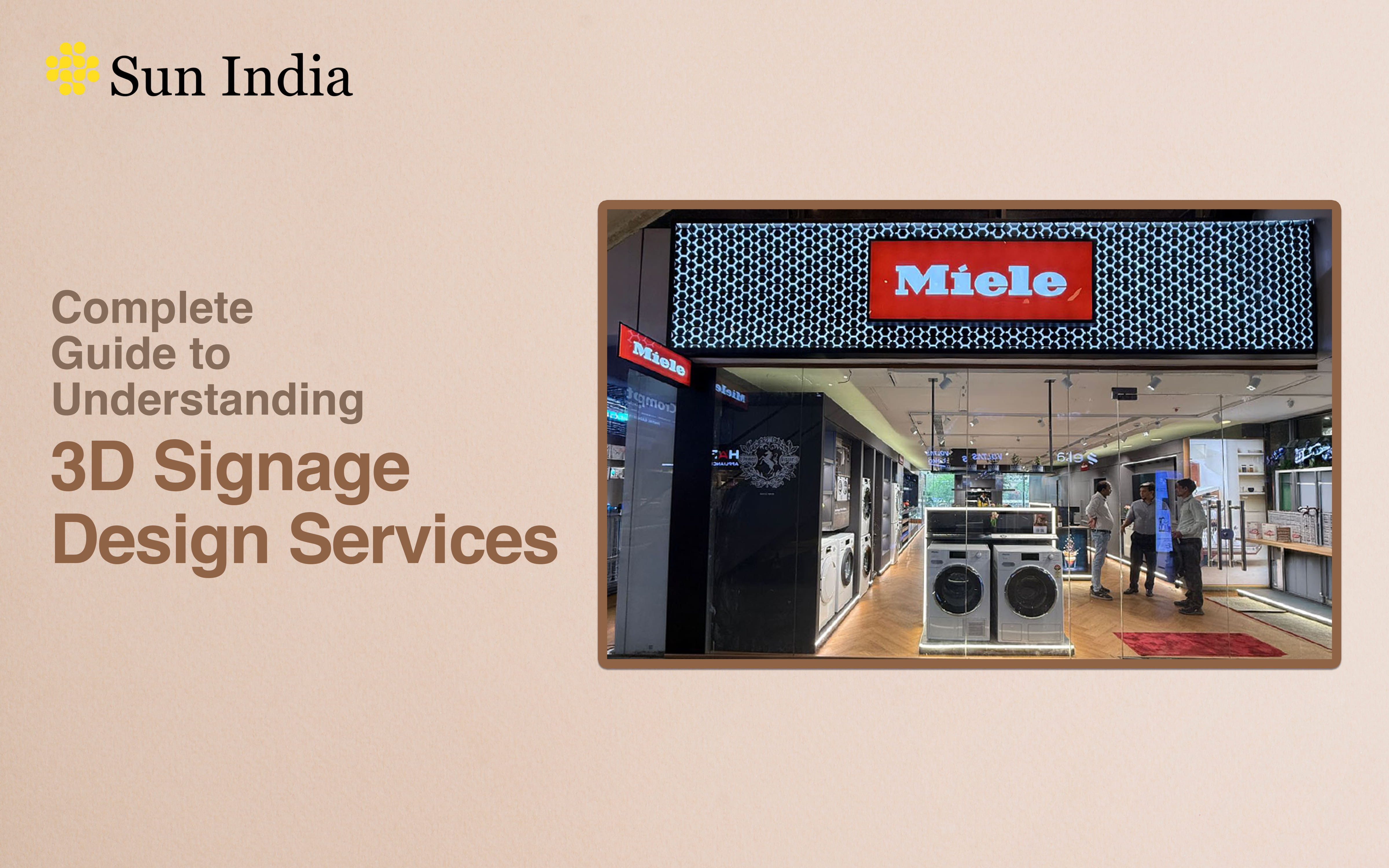
Complete Guide to Understanding 3D Signage Design Services
Traditional flat signage is gradually being replaced by more dynamic and visually engaging solutions. This is where 3D signage design has gained significant relevance, offering depth, dimension, and a stronger visual presence.
3D signage design services go beyond basic branding elements. They combine creativity, materials, lighting, and structural design to create signage that captures attention and enhances brand perception. Whether it’s for retail stores, corporate offices, malls, or outdoor advertising, 3D signage plays a key role in influencing how customers perceive a business.
With increasing demand for impactful visual communication, businesses in Delhi NCR are exploring 3D signage design services to create memorable brand touchpoints. However, understanding how these services work, what they include, and how to choose the right approach is essential for achieving the desired outcome.
In this guide, we’ll break down the concept of 3D signage design, explore its components, and explain how it supports modern branding strategies.
What Is 3D Signage Design?
3D signage design refers to the creation of three-dimensional signs that add depth and visual appeal to brand communication. Unlike flat signage, these designs use raised elements, layered materials, and lighting to create a more engaging experience.
Key Characteristics of 3D Signage
- Depth and dimension for enhanced visibility
- Use of materials like acrylic, metal, and PVC
- Integration of lighting elements such as LED
- Custom shapes and structures
These features make 3D signage suitable for both indoor and outdoor applications.
What Do 3D Signage Design Services Include?
3D signage design services cover the entire process from concept to installation.
Core Components
- Concept development and design planning
- Material selection and fabrication
- Lighting integration
- Installation and on-site setup
- Maintenance and support
This end-to-end approach ensures consistency and quality in execution.
Why 3D Signage Design Is Important for Businesses
1. Enhances Brand Visibility
3D signage stands out in crowded environments, making it easier for customers to notice and recognize a brand.
2. Strengthens Brand Identity
The use of customized designs ensures that the signage aligns with the brand’s visual identity and messaging.
3. Improves Customer Experience
Well-designed signage guides customers and creates a more engaging environment.
4. Offers Long-Term Value
Durable materials and quality construction make 3D signage a sustainable branding solution.
Types of 3D Signage Design Services
Indoor Signage
Used in offices, malls, and retail stores to enhance interiors and guide customers.
Outdoor Signage
Designed for visibility in open spaces, often using weather-resistant materials.
Illuminated Signage
Incorporates LED lighting to improve visibility during both day and night.
Non-Illuminated Signage
Focuses on material and design without lighting elements.
Custom Signage
Tailored solutions based on specific branding and functional requirements.
Key Elements of Effective 3D Signage Design
1. Material Selection
The choice of materials affects durability, appearance, and cost.
Common Materials
- Acrylic
- Stainless steel
- Aluminum
- PVC
2. Typography and Design
Clear and readable typography ensures that the message is easily understood.
3. Lighting Integration
Lighting enhances visibility and adds a modern touch to the design.
4. Placement and Positioning
Strategic placement ensures maximum visibility and impact.
5. Structural Design
The structure must be stable and suitable for the intended location.
The Process of 3D Signage Design Services
Step 1: Requirement Analysis
Understanding the brand, location, and objectives.
Step 2: Concept Development
Creating design concepts and visual representations.
Step 3: Material Selection
Choosing materials based on design and environmental factors.
Step 4: Fabrication
Manufacturing the signage using appropriate techniques.
Step 5: Installation
Setting up the signage at the desired location.
Step 6: Maintenance
Ensuring long-term performance and durability.
Challenges in 3D Signage Design
Common Challenges
- Balancing design and functionality
- Managing installation logistics
- Ensuring durability in outdoor conditions
- Maintaining consistency with brand guidelines
How to Address These Challenges
- Work with experienced service providers
- Use high-quality materials
- Plan installation carefully
- Align design with branding strategy
Organizations like Sun India support businesses by providing structured approaches to 3D signage design services, ensuring both visual appeal and practical functionality.
How to Choose the Right 3D Signage Design Services in Delhi NCR
Factors to Consider
- Experience in similar projects
- Understanding of local market requirements
- Ability to provide customized solutions
- Focus on quality and durability
Selecting the right partner ensures that your signage aligns with your branding goals.
Trends in 3D Signage Design for 2026
1. Minimalist and Clean Designs
Focus on clarity and simplicity.
2. Smart Lighting Solutions
Use of energy-efficient LED systems.
3. Sustainable Materials
Eco-friendly options gaining importance.
4. Integration with Digital Elements
Combining physical signage with digital displays.
These trends reflect the evolving nature of visual branding.
FAQs:
1. What is 3D signage design?
It is the process of creating three-dimensional signage that enhances visibility and brand communication.
2. Where can 3D signage be used?
It can be used in retail stores, offices, malls, exhibitions, and outdoor advertising spaces.
3. How long does it take to create 3D signage?
The timeline depends on design complexity, materials, and installation requirements.
4. What materials are used in 3D signage?
Common materials include acrylic, metal, PVC, and aluminum.
5. Why is lighting important in 3D signage?
Lighting improves visibility and adds visual appeal, especially in low-light conditions.
Conclusion
3D signage design has become an essential part of modern branding, offering businesses a way to communicate their identity with clarity and impact. By combining design, materials, and technology, 3D signage creates visually engaging experiences that go beyond traditional signage.
For businesses in Delhi NCR, investing in 3D signage design services can help improve visibility, strengthen brand identity, and enhance customer engagement. Understanding the process, elements, and trends allows organizations to make informed decisions and achieve better outcomes.
If you’re planning to upgrade your visual branding, working with experienced teams like Sun India can help you approach 3D signage design with a structured and practical perspective, ensuring your signage aligns with both your brand and your environment.