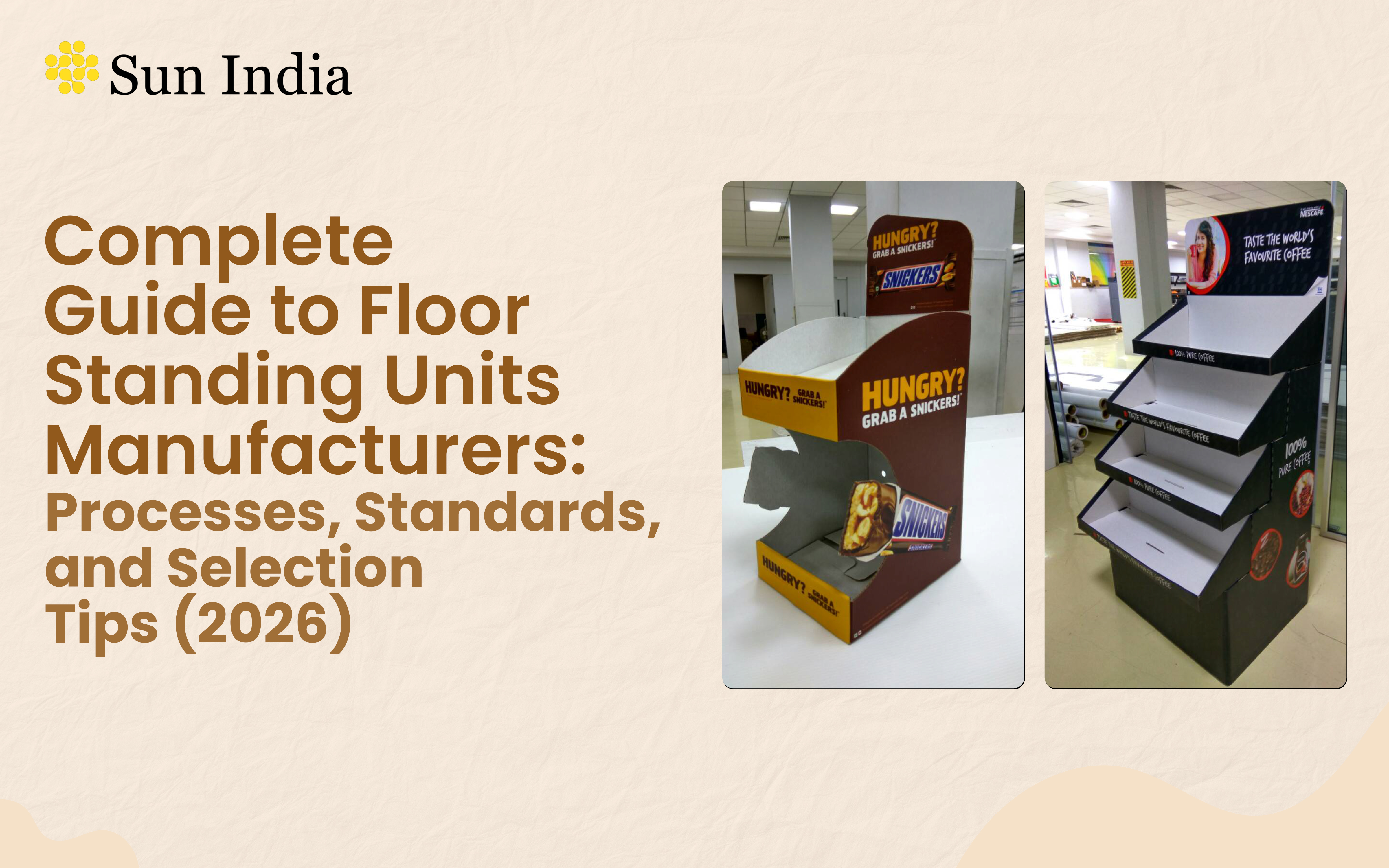
Complete Guide to Floor Standing Units Manufacturers: Processes, Standards, and Selection Tips (2026)
Healthcare infrastructure in India is evolving rapidly. Hospitals, diagnostic centers, laboratories, and clinics are investing in modern medical furniture that improves efficiency, hygiene, and patient safety. Among these essential components, floor standing units play a significant role in organizing equipment, storing supplies, and supporting smooth clinical workflows.
Floor standing units are widely used in medical facilities because they provide durable, stable, and accessible storage solutions. These units help healthcare professionals keep instruments, medical consumables, and diagnostic tools properly arranged while ensuring compliance with hygiene and safety standards.
As medical facilities expand across metropolitan regions such as Delhi NCR, the demand for specialized Floor Standing Units Manufacturers has increased. Manufacturers must now follow strict quality standards, use healthcare-grade materials, and ensure their designs align with hospital safety requirements.
Understanding how Floor Standing Units Manufacturers in Delhi NCR operate can help healthcare administrators, architects, and procurement managers make informed decisions. From manufacturing processes and regulatory standards to selection considerations, every aspect matters when choosing medical infrastructure.
This guide explains the role of manufacturers, the production process, compliance standards, and practical tips for selecting the right manufacturer in 2026.
What Are Floor Standing Units?
Floor standing units are medical furniture systems designed to sit directly on the floor and provide structured storage and workspace within healthcare facilities. They are commonly installed in:
- Hospitals
- Diagnostic laboratories
- Dental clinics
- Operation theaters
- ICU rooms
- Research laboratories
These units typically include compartments, drawers, cabinets, and modular components that allow healthcare professionals to store instruments, medicines, and equipment systematically.
Key Characteristics
Floor standing units generally feature:
- Durable metal or stainless-steel structures
- Chemical-resistant surfaces
- Hygienic finishes for infection control
- Modular compartments for organized storage
- Stable base structures for heavy equipment
Because these units are frequently used in critical healthcare environments, their design and manufacturing require precision and adherence to safety standards.
Role of Floor Standing Units Manufacturers
Floor Standing Units Manufacturers are responsible for designing, producing, and supplying medical furniture that meets hospital infrastructure requirements. Their work goes beyond basic furniture manufacturing and includes engineering solutions tailored for healthcare environments.
Core Responsibilities
Manufacturers typically focus on:
- Designing ergonomic medical furniture
- Ensuring compatibility with hospital layouts
- Maintaining hygiene-friendly surfaces
- Meeting regulatory and safety standards
- Delivering long-term durability
In regions such as Delhi NCR, manufacturers often collaborate with hospital planners, architects, and medical consultants to create units suitable for modern healthcare facilities.
Manufacturing Process of Floor Standing Units
The manufacturing of medical floor standing units involves several structured steps. Each stage ensures the final product is durable, hygienic, and suitable for clinical environments.
1. Design and Planning
The process begins with design development. Manufacturers analyze hospital layouts, usage requirements, and workflow needs.
Design considerations include:
- Storage capacity
- Accessibility for healthcare staff
- Infection control features
- Space optimization
Computer-aided design (CAD) software is commonly used to create accurate product prototypes.
2. Material Selection
Material selection is critical because healthcare environments require surfaces that are easy to clean and resistant to chemicals.
Common materials include:
- Stainless steel
- Powder-coated metal sheets
- Medical-grade laminates
- Antibacterial coatings
These materials help maintain hygiene and extend the lifespan of the units.
3. Fabrication and Assembly
After materials are selected, the fabrication stage begins. This includes cutting, bending, welding, and shaping metal structures to form the base unit.
Manufacturing teams assemble:
- Cabinet structures
- Drawer systems
- Locking mechanisms
- Shelving components
Precision equipment is used to maintain structural accuracy.
4. Surface Finishing
Surface treatment improves both durability and hygiene. Manufacturers often apply:
- Powder coating
- Anti-corrosion layers
- Smooth finishing for easy cleaning
These finishes ensure that the units remain resistant to moisture, chemicals, and frequent sanitization.
5. Quality Testing
Before distribution, units undergo multiple quality checks. Testing typically includes:
- Structural strength evaluation
- Load capacity tests
- Drawer mechanism testing
- Surface finish inspection
Manufacturers ensure the units meet healthcare industry standards before delivery.
Standards Followed by Floor Standing Units Manufacturers
Medical furniture must comply with various national and international standards. Floor Standing Units Manufacturers in Delhi NCR often follow guidelines that ensure safety, hygiene, and durability.
Key Compliance Standards
Manufacturers may follow standards such as:
- ISO quality management systems
- Medical furniture safety regulations
- Infection control guidelines
- Material safety compliance
These standards help ensure that furniture used in hospitals supports a clean and controlled clinical environment.
Hygiene and Infection Control
Healthcare furniture must reduce the risk of contamination. Manufacturers therefore focus on:
- Smooth, non-porous surfaces
- Seamless construction to avoid dirt accumulation
- Chemical-resistant coatings
- Easy-to-clean structures
These features help hospitals maintain strict sanitation protocols.
Applications of Floor Standing Units in Healthcare
Floor standing units are versatile and widely used across different departments within medical facilities.
Hospitals
Hospitals use these units for storing medical tools, surgical equipment, and patient-care supplies. Their organized structure supports fast access during procedures.
Diagnostic Laboratories
In laboratories, floor standing units hold testing instruments, reagents, and documentation materials. Their design ensures stability for sensitive equipment.
Dental Clinics
Dental facilities require compact yet functional storage units for instruments, sterilization equipment, and patient-care tools.
Research Facilities
Research labs rely on structured storage systems to keep chemicals, instruments, and laboratory materials safely arranged.
Selection Tips for Choosing Floor Standing Units Manufacturers
Selecting the right manufacturer requires careful evaluation. Healthcare institutions must assess both technical capabilities and compliance with industry standards.
1. Evaluate Manufacturing Experience
Manufacturers with experience in medical infrastructure are more likely to understand hospital requirements and safety protocols.
2. Verify Material Quality
Ensure that manufacturers use healthcare-grade materials such as stainless steel or antibacterial laminates.
3. Check Compliance Certifications
Look for certifications that confirm adherence to quality and safety standards.
4. Assess Customization Capabilities
Hospitals often require furniture that fits specific layouts. Manufacturers should be able to customize dimensions and storage features.
5. Review Installation and Support Services
Some manufacturers provide installation guidance and maintenance support, which can be valuable for healthcare facilities.
Companies such as Sun India contribute to the healthcare infrastructure ecosystem by producing medical furniture designed for hospital environments.
Future Trends in Floor Standing Unit Manufacturing (2026)
The medical furniture industry is adapting to technological advancements and evolving healthcare needs.
Modular Designs
Modular systems allow hospitals to expand or modify storage units as infrastructure grows.
Smart Storage Integration
Manufacturers are exploring integration with smart inventory tracking systems for medical supplies.
Sustainable Materials
Eco-friendly materials and energy-efficient manufacturing processes are becoming more common in medical furniture production.
Improved Ergonomics
Design improvements focus on reducing physical strain for healthcare professionals by optimizing drawer heights and access points.
These trends are shaping how Floor Standing Units Manufacturers approach design and production in the coming years.
FAQs
1. What are floor standing units used for in hospitals?
Floor standing units are used to store medical equipment, instruments, and supplies. They help maintain organized storage and support efficient clinical workflows.
2. What materials are commonly used in floor standing units?
Manufacturers commonly use stainless steel, powder-coated metal, and medical-grade laminates because these materials are durable, hygienic, and resistant to chemicals.
3. Why are hygiene standards important in medical furniture?
Hygiene standards help reduce contamination risks in healthcare environments. Smooth, easy-to-clean surfaces support infection control practices.
4. How do healthcare facilities choose Floor Standing Units Manufacturers in Delhi NCR?
Hospitals typically evaluate manufacturers based on product quality, regulatory compliance, customization capabilities, and experience in medical infrastructure projects.
5. Are floor standing units customizable for different hospital departments?
Yes. Manufacturers often customize units based on department requirements, available space, and storage needs.
Conclusion
Floor standing units are an essential component of modern healthcare infrastructure. They support organized storage, improve workflow efficiency, and contribute to maintaining hygienic clinical environments.
Understanding how Floor Standing Units Manufacturers operate, from design and material selection to compliance and quality testing, helps healthcare institutions make informed procurement decisions.
In regions such as Delhi NCR, healthcare facilities often collaborate with Floor Standing Units Manufacturers in Delhi NCR to develop medical furniture that aligns with evolving hospital standards and infrastructure needs. Organizations such as Sun India participate in this ecosystem by producing medical furniture designed for clinical environments.
As healthcare facilities continue to modernize in 2026, structured medical furniture solutions will remain an important part of hospital planning. Evaluating manufacturing standards, design flexibility, and compliance practices can help institutions choose solutions that support long-term operational efficiency.
For healthcare planners and procurement teams, understanding these manufacturing processes and selection factors is an important step toward building safe, organized, and efficient medical environments.